

Can a pipe extrusion line produce pipes with high - temperature resistance?
Leave a message

Hey there! As a supplier of pipe extrusion lines, I often get asked this question: Can a pipe extrusion line produce pipes with high - temperature resistance? Well, let's dive right into it.
First off, let's understand what a pipe extrusion line is. It's a set of equipment that works together to transform plastic raw materials into pipes. The main components usually include a Plastic Extruder Machines, which melts and shapes the plastic, a die that gives the pipe its final shape, and a Haul Off Machine that pulls the newly formed pipe along the production line.
Now, when it comes to high - temperature resistance, the answer is a big yes! But it depends on several factors.
The Role of Raw Materials
The type of plastic raw material you use is crucial. Some plastics are inherently more resistant to high temperatures than others. For example, polypropylene (PP) and polypropylene random copolymer (PPR) have decent heat - resistant properties. They can withstand temperatures up to around 95 - 100°C continuously and even higher for short periods.
PE (polyethylene) also comes in different grades. High - density polyethylene (HDPE) has better heat resistance compared to low - density polyethylene (LDPE). HDPE can handle temperatures up to about 80 - 90°C without significant deformation. PVC (polyvinyl chloride) is another common plastic used in pipe production. However, its heat resistance is relatively lower compared to PP and PPR, usually in the range of 60 - 70°C.
If you're looking for pipes with extremely high - temperature resistance, you might consider using special engineering plastics like PEEK (polyetheretherketone). PEEK can withstand continuous use at temperatures up to 260°C and even higher in short - term applications. Our PP PPR PE PVC Pipe Extruder Machine is designed to work with these different types of plastics, allowing you to produce pipes with varying levels of high - temperature resistance.
Modifications in the Extrusion Process
To enhance the high - temperature resistance of pipes, we can make some modifications to the extrusion process. One important aspect is the temperature control during extrusion. The extruder needs to be set at the right temperature to ensure proper melting and shaping of the plastic. If the temperature is too high, the plastic may degrade, losing its mechanical and heat - resistant properties. On the other hand, if the temperature is too low, the plastic may not melt completely, resulting in a poorly formed pipe.
We can also add heat - stabilizers to the plastic mixture. These stabilizers help prevent the plastic from degrading at high temperatures. They work by reacting with the free radicals that are generated when the plastic is exposed to heat, thus preventing chain scission and maintaining the integrity of the plastic structure.
Another technique is cross - linking. Cross - linking creates chemical bonds between the polymer chains in the plastic, making the material more rigid and heat - resistant. For example, cross - linked polyethylene (PEX) pipes have much better high - temperature resistance compared to regular PE pipes. Our pipe extrusion lines can be configured to support cross - linking processes, depending on your specific requirements.
Quality Control and Testing
Once the pipes are produced, it's essential to conduct quality control and testing to ensure they meet the desired high - temperature resistance standards. We use various testing methods, such as thermal aging tests. In these tests, the pipes are exposed to high temperatures for a certain period, and then their physical and mechanical properties are measured to see if they have changed significantly.

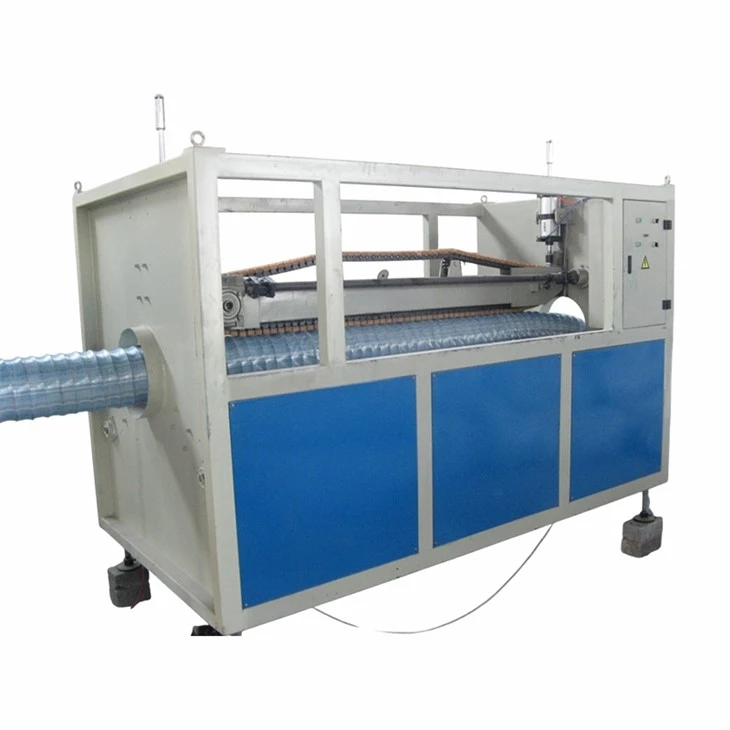
We also perform pressure tests at elevated temperatures to check if the pipes can maintain their integrity under pressure when exposed to heat. These tests help us identify any potential weaknesses in the pipes and make adjustments to the production process if necessary.
Applications of High - Temperature Resistant Pipes
High - temperature resistant pipes have a wide range of applications. In the industrial sector, they are used in hot water supply systems, chemical processing plants, and steam distribution networks. For example, in a chemical plant, pipes need to transport hot chemicals without deforming or releasing harmful substances. High - temperature resistant pipes made from suitable plastics can handle these demanding applications.
In the residential sector, high - temperature resistant pipes are used in under - floor heating systems. These pipes need to withstand the heat from the hot water flowing through them for long periods without any issues.
Our Expertise as a Supplier
As a supplier of pipe extrusion lines, we have years of experience in helping our customers produce high - temperature resistant pipes. Our team of engineers can provide you with customized solutions based on your specific requirements. Whether you need to produce pipes from a particular type of plastic or with a specific level of high - temperature resistance, we can configure our pipe extrusion lines to meet your needs.
We also offer after - sales support, including training for your operators on how to use the equipment effectively and maintain it properly. We understand that producing high - quality, high - temperature resistant pipes is not just about having the right equipment but also about having the knowledge and skills to operate it correctly.
If you're interested in producing high - temperature resistant pipes and need a reliable pipe extrusion line, don't hesitate to get in touch with us. We're here to help you every step of the way, from choosing the right raw materials to setting up the production process and ensuring the final product meets your standards.
In conclusion, a pipe extrusion line can definitely produce pipes with high - temperature resistance. With the right choice of raw materials, proper modifications to the extrusion process, and strict quality control, you can create pipes that can withstand high temperatures in various applications. So, if you're in the market for a pipe extrusion line to produce high - temperature resistant pipes, give us a shout, and let's start this exciting journey together!
References:
- "Plastics Technology Handbook" by James F. Carley
- "Extrusion: The Definitive Processing Guide and Handbook" by Christopher Rauwendaal


