

What are the technical specifications of an industrial dryer?
Leave a message

Yo! As an industrial dryer supplier, I get asked a ton about the technical specs of these bad boys all the time. So, I thought I'd whip up a blog post to break it all down for you. Whether you're running a big laundry service, a textile factory, or any business that needs to dry stuff on an industrial scale, this info should come in handy.
Capacity
The first thing you gotta think about when it comes to industrial dryers is capacity. This is basically how much stuff the dryer can handle at once. It's usually measured in pounds or kilograms. For example, a small - scale industrial dryer might have a capacity of around 20 - 30 pounds (9 - 13.6 kg), while larger ones can go up to 300 pounds (136 kg) or even more.
If you're a laundromat or a hotel with a moderate laundry load, a dryer with a capacity in the 80 - 150 pounds (36 - 68 kg) range could be a good fit. But if you're running a massive textile mill, you'll probably need that super - high capacity dryer. Capacity is crucial because it affects your productivity. If you have to dry your materials in multiple small loads, it'll take way longer than if you can do it all in one large load.
Heat Source
Next up, let's talk about the heat source. There are a few common options for industrial dryers.
Electric Heat
Electric dryers are pretty straightforward. They use electricity to heat up a heating element, which then warms up the air inside the dryer. They're easy to install and operate, and you don't have to worry about a gas supply. However, they can be a bit more expensive to run in the long term, especially if your electricity rates are high.
Gas Heat
Gas - powered dryers, like our Industrial Gas Dryer, use natural gas or propane to generate heat. They tend to heat up faster than electric dryers and can be more cost - effective, especially for high - volume operations. But the installation can be a bit more complicated because you need to have a proper gas supply and ventilation system set up.
Drum Size and Design
The drum is where all the action happens in an industrial dryer. The size of the drum is related to the capacity we talked about earlier. A bigger drum allows for more circulation of the materials being dried, which can lead to more even drying.
The design of the drum also matters. Some drums have fins or ribs on the inside. These help to tumble the materials better, making sure that every part gets exposed to the hot air. For example, our Drying Tumbler has a well - designed drum that ensures efficient and uniform drying.
Airflow System
A good airflow system is key to a successful drying process. The dryer needs to be able to move hot air through the drum and out of the machine effectively. There are two main types of airflow systems in industrial dryers:
Front - to - Back Airflow
In this system, the hot air enters the drum from the front and exits at the back. This is a common setup and works well for most types of materials. It provides a relatively even distribution of heat throughout the drum.
Cross - Flow Airflow
Cross - flow systems have the air entering from one side of the drum and exiting from the opposite side. This can be more effective for certain materials that need a different type of air circulation. It's important to choose the right airflow system based on the materials you'll be drying.
Control System
Modern industrial dryers come with advanced control systems. These allow you to set things like the drying time, temperature, and even the drum speed. Some control systems are digital, which makes them easy to use and adjust.
For example, you might want to set a lower temperature and a longer drying time for delicate fabrics. Or, if you're drying heavy - duty materials, you can crank up the temperature and speed up the process. Our Laundry Tumble Dryer has a user - friendly control system that gives you a lot of flexibility.
Safety Features
Safety is always a top priority, especially when dealing with industrial equipment. Industrial dryers come with several safety features.
Overheat Protection
This feature shuts off the dryer if the temperature inside gets too high. It helps prevent fires and damage to the machine.
Door Lock
A door lock ensures that the door stays closed during the drying cycle. This not only keeps the hot air inside the drum for more efficient drying but also prevents anyone from accidentally opening the door and getting burned.
Exhaust Filter
The exhaust filter traps lint and other debris from the materials being dried. It needs to be cleaned regularly to prevent blockages, which can lead to poor airflow and overheating.
Noise Level
Let's not forget about noise. Industrial dryers can be noisy machines, but the noise level can vary depending on the model. If you're operating the dryer in a space where noise could be a problem, like near an office or a residential area, you'll want to choose a dryer with a lower noise level. Some manufacturers use special insulation and design features to reduce the noise produced during operation.
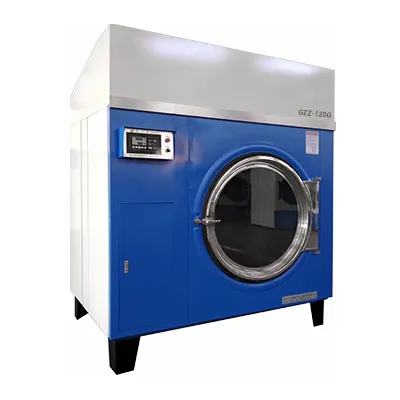

Maintenance Requirements
Like any piece of industrial equipment, industrial dryers need regular maintenance. This includes cleaning the exhaust filter, checking the belts and pulleys for wear and tear, and inspecting the heating element or gas burner.
Regular maintenance helps to keep the dryer running efficiently and extends its lifespan. Make sure to follow the manufacturer's maintenance schedule and procedures to avoid any costly breakdowns.
Energy Efficiency
Energy costs can be a significant part of your operating expenses, so it's important to choose an energy - efficient industrial dryer. Look for dryers with features like heat recovery systems, which capture and reuse some of the heat that would otherwise be wasted. Also, models with variable - speed motors can adjust the energy consumption based on the load and drying requirements.
If you're in the market for an industrial dryer and have questions about these technical specifications or which model would be best for your business, don't hesitate to reach out. We're here to help you make the right choice and get the most out of your industrial dryer. Whether you're a small - business owner or part of a large corporation, we can find a solution that fits your needs. So, let's start a conversation and see how we can work together to meet your drying requirements.
References
- General knowledge from years of experience in the industrial dryer supply business.
- Industry standards and best practices for industrial dryer design and operation.


