

How to upgrade an old industrial dryer?
Leave a message

As an industrial dryer manufacture, I often encounter customers who are looking to upgrade their old industrial dryers. Upgrading an old industrial dryer can bring numerous benefits, such as improved efficiency, reduced energy consumption, and enhanced performance. In this blog post, I will share some practical steps and considerations on how to upgrade an old industrial dryer.
Step 1: Assess the Current Condition of the Dryer
The first step in upgrading an old industrial dryer is to conduct a thorough assessment of its current condition. This involves inspecting the dryer's mechanical components, electrical systems, and overall functionality. Look for signs of wear and tear, such as rust, leaks, or damaged parts. Check the dryer's performance metrics, such as drying time, temperature control, and energy consumption. This assessment will help you identify the specific areas that need improvement and determine the most appropriate upgrade options.
Step 2: Define Your Upgrade Goals
Before proceeding with any upgrades, it's important to clearly define your goals. Are you looking to improve energy efficiency, increase drying capacity, enhance product quality, or reduce maintenance costs? Having clear goals will guide your decision-making process and ensure that the upgrades you choose align with your specific needs and requirements.

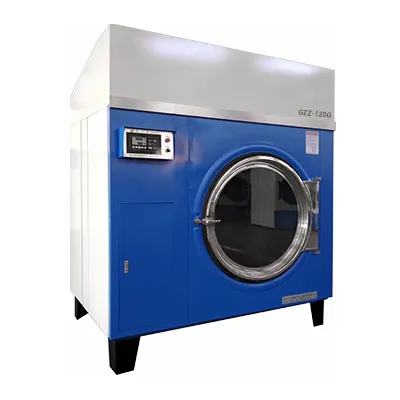
Step 3: Research Upgrade Options
Once you have identified your upgrade goals, it's time to research the available upgrade options. There are several ways to upgrade an old industrial dryer, including:
- Component Replacement: Replace worn-out or damaged components, such as belts, bearings, heating elements, or sensors. This can improve the dryer's performance and reliability.
- Control System Upgrade: Upgrade the dryer's control system to a more advanced model. This can provide better temperature and humidity control, as well as improved automation and monitoring capabilities.
- Energy Efficiency Improvements: Implement energy-saving measures, such as installing insulation, upgrading the heating system, or using more efficient motors. This can reduce energy consumption and lower operating costs.
- Capacity Expansion: If you need to increase the dryer's capacity, you can consider adding additional drying chambers or upgrading the drum size.
Step 4: Evaluate the Cost and Benefits
Before making a final decision, it's important to evaluate the cost and benefits of each upgrade option. Consider the upfront cost of the upgrades, as well as the potential savings in energy consumption, maintenance costs, and productivity gains. Calculate the payback period for each upgrade to determine which options are the most cost-effective.
Step 5: Choose a Reliable Supplier
When upgrading an old industrial dryer, it's crucial to choose a reliable supplier. Look for a supplier with a good reputation, extensive experience in the industry, and a proven track record of providing high-quality products and services. A reliable supplier will be able to provide you with expert advice, technical support, and installation services.
Step 6: Plan the Upgrade Process
Once you have chosen the upgrade options and a supplier, it's time to plan the upgrade process. This involves scheduling the upgrade work, coordinating with the supplier and your internal team, and ensuring that all necessary permits and approvals are obtained. Make sure to communicate the upgrade plan to your employees and provide them with any necessary training.
Step 7: Implement the Upgrades
During the upgrade process, it's important to follow the supplier's instructions and guidelines. Ensure that all upgrades are installed correctly and tested thoroughly before putting the dryer back into operation. Monitor the dryer's performance closely after the upgrades to ensure that they are achieving the desired results.
Step 8: Maintain and Monitor the Upgraded Dryer
After the upgrades are completed, it's important to maintain and monitor the dryer regularly. Follow the manufacturer's recommended maintenance schedule, including cleaning, lubrication, and inspection. Monitor the dryer's performance metrics, such as drying time, temperature control, and energy consumption, to ensure that it is operating efficiently.
Conclusion
Upgrading an old industrial dryer can be a cost-effective way to improve its performance, efficiency, and reliability. By following the steps outlined in this blog post, you can ensure that your upgrade project is successful and that you achieve your desired goals. If you have any questions or need further assistance, please don't hesitate to contact us. We are a leading supplier of Industrial Laundry Drying Machine, Industrial Gas Dryer, and Drying Tumbler. Our team of experts is ready to help you find the best upgrade solutions for your specific needs.
References
- Industrial Drying Handbook, Third Edition, Arun S. Mujumdar
- Handbook of Industrial Drying, Fourth Edition, Arun S. Mujumdar


