

How to optimize the drying process in an industrial dryer?
Leave a message

As a seasoned manufacture of industrial dryers, I've witnessed firsthand the critical role that an optimized drying process plays in various industries. Whether it's the textile industry, food processing, or manufacturing, efficient drying can significantly enhance productivity, reduce costs, and improve product quality. In this blog, I'll share some key strategies and best practices for optimizing the drying process in an industrial dryer.
Understanding the Basics of Industrial Drying
Before diving into optimization strategies, it's essential to understand the basic principles of industrial drying. Drying is a process of removing moisture from a material by applying heat and allowing the moisture to evaporate. The efficiency of the drying process depends on several factors, including the type of material being dried, the moisture content, the temperature, the airflow, and the drying time.
In an industrial dryer, the material is typically placed in a chamber or drum, and hot air is circulated through the chamber to remove the moisture. The hot air absorbs the moisture from the material and carries it out of the dryer. The rate of drying is influenced by the temperature and humidity of the air, the surface area of the material, and the airflow rate.
Key Strategies for Optimizing the Drying Process
1. Select the Right Dryer for the Job
The first step in optimizing the drying process is to select the right dryer for the specific application. Different types of dryers are designed for different materials and drying requirements. For example, a Drying Tumbler is ideal for drying textiles and other flexible materials, while an Industrial Laundry Drying Machine is suitable for large-scale laundry operations. An Industrial Gas Dryer can provide a cost-effective and efficient solution for drying various materials.

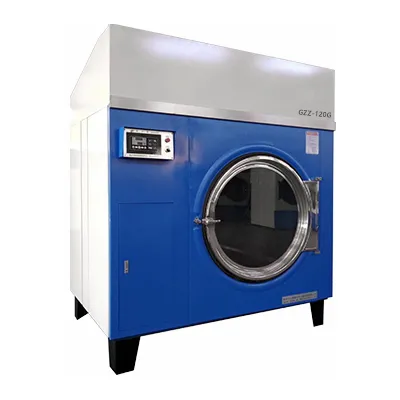
When selecting a dryer, consider the following factors:
- Material characteristics: The type of material being dried, its moisture content, and its physical properties (such as size, shape, and density) will determine the type of dryer that is most suitable.
- Drying capacity: The amount of material that needs to be dried per hour or per day will influence the size and capacity of the dryer.
- Energy efficiency: Look for dryers that are energy-efficient to reduce operating costs.
- Maintenance requirements: Consider the ease of maintenance and the availability of spare parts.
2. Optimize the Airflow
Airflow is a critical factor in the drying process. Proper airflow ensures that the hot air reaches all parts of the material, promoting even drying and reducing drying time. To optimize the airflow in an industrial dryer, consider the following:
- Air distribution: Ensure that the hot air is evenly distributed throughout the drying chamber. This can be achieved by using fans, baffles, or air ducts to direct the airflow.
- Air velocity: The air velocity should be sufficient to carry the moisture away from the material but not so high that it causes damage to the material.
- Air temperature and humidity: The temperature and humidity of the air should be carefully controlled to ensure efficient drying. Higher temperatures can increase the drying rate, but they can also cause damage to the material if not properly controlled.
3. Control the Temperature
Temperature control is another important aspect of optimizing the drying process. The temperature should be set based on the type of material being dried and the desired drying time. In general, higher temperatures can speed up the drying process, but they can also cause damage to the material if not properly controlled.
To control the temperature in an industrial dryer, consider the following:
- Thermostat settings: Use a thermostat to set and maintain the desired temperature.
- Temperature sensors: Install temperature sensors in the drying chamber to monitor the temperature and make adjustments as needed.
- Heating system: Ensure that the heating system is efficient and reliable. Consider using a heat exchanger to recover heat from the exhaust air and reduce energy consumption.
4. Monitor and Adjust the Drying Time
The drying time is a critical factor in the drying process. Over-drying can cause damage to the material, while under-drying can result in a product that is not fully dry. To optimize the drying time, consider the following:
- Moisture sensors: Install moisture sensors in the drying chamber to monitor the moisture content of the material. This will allow you to determine when the material is dry and stop the drying process.
- Drying curves: Develop drying curves for different materials to determine the optimal drying time. This will help you to adjust the drying time based on the specific material being dried.
- Process control: Use a process control system to automate the drying process and ensure consistent results.
5. Maintain the Dryer Regularly
Regular maintenance is essential to ensure the efficient operation of an industrial dryer. Proper maintenance can help to prevent breakdowns, reduce energy consumption, and extend the lifespan of the dryer. To maintain the dryer regularly, consider the following:
- Cleaning: Clean the drying chamber, filters, and other components regularly to remove dirt, dust, and debris.
- Lubrication: Lubricate the moving parts of the dryer to reduce friction and wear.
- Inspection: Inspect the dryer regularly for signs of damage or wear. Replace any worn or damaged parts as needed.
- Calibration: Calibrate the temperature and moisture sensors regularly to ensure accurate readings.
Conclusion
Optimizing the drying process in an industrial dryer is essential for improving productivity, reducing costs, and improving product quality. By selecting the right dryer for the job, optimizing the airflow, controlling the temperature, monitoring and adjusting the drying time, and maintaining the dryer regularly, you can achieve efficient and effective drying results.
If you're interested in learning more about our industrial dryers or have any questions about optimizing the drying process, please feel free to contact us. We'd be happy to discuss your specific needs and provide you with a customized solution.
References
- Smith, J. (2019). Industrial Drying Technology. Wiley.
- Brown, A. (2020). Optimization of Drying Processes in the Textile Industry. Journal of Textile Engineering, 45(2), 123-135.
- Johnson, R. (2021). Energy-Efficient Drying Solutions for Industrial Applications. Energy Journal, 32(4), 234-245.


