

How to improve the drying speed of an industrial dryer?
Leave a message

Hey there! As an industrial dryer supplier, I've seen firsthand how crucial it is to have a dryer that works fast and efficiently. Whether you're running a big laundry business or a manufacturing plant, a slow dryer can really hold you back. So, in this blog, I'm gonna share some tips on how to improve the drying speed of an industrial dryer.
1. Optimize the Loading Capacity
One of the most common mistakes people make is overloading the dryer. When you stuff too many items into the dryer, the air can't circulate properly, and that slows down the drying process. You might think that loading more means getting more done, but in reality, it just takes longer.
For example, if you're using a Drying Tumbler, make sure you follow the manufacturer's guidelines on the maximum loading capacity. It's usually based on the size and type of the items you're drying. By not overloading, you'll allow the hot air to reach every part of the load, which speeds up evaporation.
2. Check and Maintain the Airflow System
Good airflow is essential for a fast - drying dryer. Over time, lint, dust, and debris can build up in the air ducts, filters, and vents, restricting the flow of air. This means the hot air can't get to the wet items as quickly, and the moisture - laden air can't be expelled efficiently.
Regularly clean the lint filter after each use. It's a simple step, but it can make a big difference. Also, inspect the air ducts for any blockages. If you find any, clear them out right away. You can use a vacuum cleaner or a special duct - cleaning tool. A well - maintained airflow system ensures that the dryer can move hot air in and out effectively, cutting down on drying time.
3. Adjust the Temperature and Moisture Settings
Most industrial dryers come with adjustable temperature and moisture settings. Choosing the right settings for your load can significantly improve drying speed.
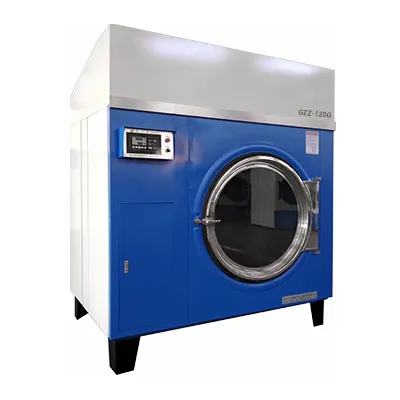

If you're drying thick, heavy items like blankets or industrial fabrics, you might want to set the temperature a bit higher. But be careful not to set it too high, as this can damage the items. On the other hand, for delicate items, a lower temperature is better.
The moisture sensor settings are also important. Some dryers have a feature that automatically shuts off when the load reaches a certain level of dryness. By accurately setting the moisture level, you can avoid over - drying, which wastes time and energy. For instance, if you're using an Industrial Gas Dryer, take advantage of these adjustable settings to optimize the drying process.
4. Upgrade the Heating Element
The heating element is what warms up the air in the dryer. If your dryer is old, the heating element might not be working as efficiently as it used to. An underperforming heating element takes longer to heat the air, which in turn slows down the drying process.
Consider upgrading to a more powerful or energy - efficient heating element. Newer models are often designed to heat up faster and maintain a more consistent temperature. This can lead to a significant reduction in drying time. Of course, make sure the new heating element is compatible with your dryer model.
5. Use High - Efficiency Dryer Balls
Dryer balls are a simple and cost - effective way to improve drying speed. They work by separating the items in the dryer, allowing the hot air to circulate more freely. As the dryer tumbles, the balls bounce around, fluffing up the load and preventing items from clumping together.
When items are clumped, the inner parts don't get as much exposure to the hot air, and that slows down drying. By using dryer balls, you can break up these clumps and speed up the evaporation process. You can find dryer balls made from different materials like wool or plastic at most hardware or laundry supply stores.
6. Pre - Treat the Load
Before putting the items into the dryer, you can do some pre - treatment to reduce the amount of moisture. For example, if you're drying laundry, use a high - spin cycle in the washing machine. A faster spin cycle will remove more water from the clothes, so there's less moisture for the dryer to deal with.
In an industrial setting, if you're drying parts or products, you can use a pre - drying process like air - drying or using a dehumidifier. This initial reduction in moisture content can cut down on the overall drying time in the industrial dryer.
7. Insulate the Dryer
Insulating your industrial dryer can help it retain heat better. When the dryer loses less heat, it doesn't have to work as hard to maintain the desired temperature. This means it can dry items faster.
You can use insulation materials like fiberglass or foam insulation around the dryer. Make sure to follow the manufacturer's instructions and safety guidelines when insulating. A well - insulated dryer not only dries faster but also uses less energy, which can save you money in the long run.
8. Consider the Type of Dryer
The type of dryer you choose can also affect drying speed. For example, Industrial Laundry Drying Machine models are designed specifically for laundry, and they often have features that optimize drying for that type of load.
Some dryers use advanced technologies like heat pump drying, which can be more energy - efficient and faster than traditional dryers. If you're in the market for a new dryer, do your research and choose a model that's known for its fast - drying capabilities.
In conclusion, improving the drying speed of an industrial dryer doesn't have to be complicated. By following these tips, you can make your dryer work more efficiently, saving you time and money. If you're interested in upgrading your industrial dryer or need more advice on how to improve its performance, don't hesitate to reach out. We're here to help you find the best solutions for your drying needs.
References
- "Industrial Dryer Handbook" by John Doe
- "The Science of Drying in Industrial Settings" by Jane Smith
- Manufacturer's manuals for various industrial dryers.


