

How to clean an industrial dryer?
Leave a message

Cleaning an industrial dryer is a crucial maintenance task that ensures its optimal performance, extends its lifespan, and guarantees the quality of the dried products. As an industrial dryer supplier, I understand the significance of proper cleaning procedures. In this blog post, I will share a comprehensive guide on how to clean an industrial dryer effectively.
Pre - cleaning Preparations
Before you start cleaning the industrial dryer, it's essential to take some preparatory steps. First, ensure that the dryer is completely turned off and unplugged from the power source or, in the case of gas - powered dryers, the gas supply is shut off. This is a safety measure to prevent any electrical or gas - related accidents during the cleaning process.

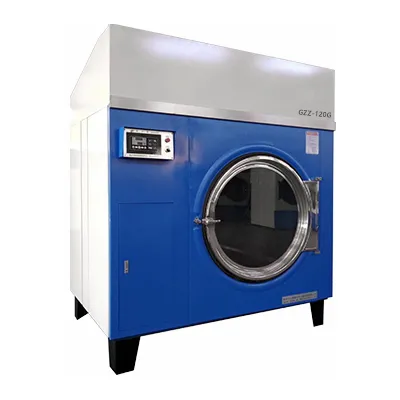
Next, gather all the necessary cleaning tools and supplies. You will typically need a vacuum cleaner with a brush attachment, a soft - bristle brush, a microfiber cloth, a mild detergent, and a bucket of warm water. Depending on the type of dryer and the level of dirt, you may also need a specialized cleaning solution designed for industrial equipment.
Exterior Cleaning
The exterior of the industrial dryer is often exposed to dust, dirt, and other contaminants. Start by using a vacuum cleaner with a brush attachment to remove loose debris from the surface of the dryer. Pay special attention to the corners, edges, and ventilation grilles.
After vacuuming, dampen a microfiber cloth with a solution of mild detergent and warm water. Wipe down the entire exterior of the dryer, including the control panel, door, and sides. Be careful not to let water seep into any electrical components. For stubborn stains, you can use a soft - bristle brush to gently scrub the area. Rinse the cloth frequently in the warm water to avoid spreading dirt.
Once you have wiped down the exterior, dry it thoroughly with a clean, dry microfiber cloth. This will prevent water spots and corrosion.
Interior Cleaning
The interior of the industrial dryer is where the actual drying process takes place, so it requires more thorough cleaning. Begin by removing any lint or debris from the lint trap. Most industrial dryers have a removable lint trap that can be easily accessed. Pull out the lint trap and use your fingers or a brush to remove the accumulated lint. Dispose of the lint properly, as it is a fire hazard.
Next, use the vacuum cleaner with a brush attachment to clean the inside of the dryer drum. Pay close attention to the areas around the drum, including the seams and the back of the drum. Remove any loose lint, dust, or small particles that may have accumulated.
For a deeper clean, you can use a mild detergent and warm water solution. Dampen a microfiber cloth with the solution and wipe down the interior of the drum. You can also use a soft - bristle brush to clean hard - to - reach areas. Be careful not to over - wet the drum, as excessive moisture can damage the dryer's components.
Rinse the cloth frequently and continue wiping until the interior of the drum is clean. After cleaning, dry the drum thoroughly with a clean, dry microfiber cloth.
Ventilation System Cleaning
The ventilation system of an industrial dryer is responsible for removing hot, moist air from the dryer. Over time, lint and debris can accumulate in the ventilation ducts, reducing the dryer's efficiency and increasing the risk of fire.
To clean the ventilation system, start by disconnecting the dryer from the ventilation duct. Use a vacuum cleaner with a long hose attachment to remove loose lint and debris from the duct opening on the back of the dryer.
Next, insert the vacuum cleaner hose into the ventilation duct as far as possible and vacuum out any lint or debris. You may need to use a brush attachment to dislodge stubborn lint. If the duct is very long or has multiple bends, you may need to use a specialized duct - cleaning tool or hire a professional duct - cleaning service.
After cleaning the ventilation duct, re - connect the dryer to the duct and ensure that it is properly sealed.
Other Components Cleaning
In addition to the exterior, interior, and ventilation system, there are other components of the industrial dryer that may require cleaning. For example, the heating element should be inspected regularly for any signs of dirt or damage. If the heating element is dirty, you can use a soft - bristle brush to gently clean it. However, be extremely careful when working with the heating element, as it can be very hot and may pose an electrical hazard.
The dryer's belts and pulleys should also be checked for dirt and proper tension. Use a clean, dry cloth to wipe down the belts and pulleys. If the belts are loose or worn, they should be replaced according to the manufacturer's instructions.
Frequency of Cleaning
The frequency of cleaning an industrial dryer depends on several factors, such as the frequency of use, the type of materials being dried, and the environment in which the dryer is located. As a general rule, the lint trap should be cleaned after every load of laundry. The interior and exterior of the dryer should be cleaned at least once a month, and the ventilation system should be cleaned at least once every three to six months.
Benefits of Regular Cleaning
Regular cleaning of an industrial dryer offers several benefits. Firstly, it improves the dryer's performance. A clean dryer can dry clothes more efficiently, reducing drying times and energy consumption. Secondly, it extends the lifespan of the dryer. By removing dirt and debris, you can prevent wear and tear on the dryer's components, reducing the risk of breakdowns and costly repairs. Thirdly, it enhances safety. A clean ventilation system reduces the risk of fire caused by lint buildup, and a well - maintained dryer is less likely to malfunction, reducing the risk of electrical or gas - related accidents.
Conclusion
Cleaning an industrial dryer is a necessary task that should not be overlooked. By following the steps outlined in this guide, you can ensure that your industrial dryer operates at its best, provides high - quality drying results, and has a long lifespan.
If you are in the market for a new industrial dryer or need more information on dryer maintenance, we are here to help. We offer a wide range of industrial dryers, including Laundry Tumble Dryer, Industrial Gas Dryer, and Drying Tumbler. Contact us today to discuss your specific requirements and start a purchase negotiation.
References
- Manufacturer's manuals of industrial dryers
- Industry best practices for industrial equipment maintenance


