

Does an industrial dryer need a special foundation for installation?
Leave a message

When it comes to installing an industrial dryer, one of the most frequently asked questions is whether it needs a special foundation. As a seasoned supplier of industrial dryers, I've encountered this query numerous times from clients across various industries. In this blog post, I'll delve into this topic, exploring the factors that determine the necessity of a special foundation and providing insights to help you make an informed decision.
Understanding the Basics of Industrial Dryers
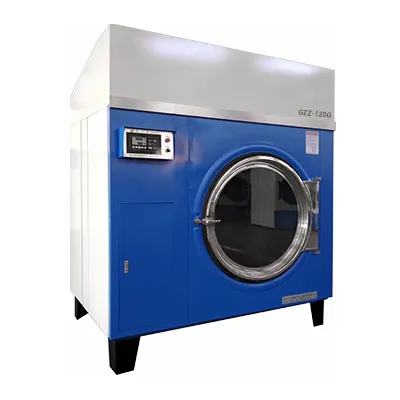
Industrial dryers are essential equipment in many sectors, including textiles, food processing, pharmaceuticals, and manufacturing. They are designed to remove moisture from materials, products, or substances efficiently and effectively. There are different types of industrial dryers available in the market, such as Laundry Tumble Dryer, Drying Tumbler, and Industrial Laundry Drying Machine. Each type has its own unique features, specifications, and operating requirements.
Factors Influencing the Need for a Special Foundation
The decision to install an industrial dryer on a special foundation depends on several factors, which I'll discuss in detail below.
1. Size and Weight of the Dryer
Larger and heavier industrial dryers typically require a special foundation to ensure stability and prevent structural damage. The weight of the dryer, including the load it can carry, exerts significant pressure on the floor. If the floor is not designed to support this weight, it may lead to cracks, uneven settling, or even collapse. For example, a large-scale industrial laundry dryer used in a commercial laundry facility can weigh several tons when fully loaded. In such cases, a reinforced concrete foundation may be necessary to distribute the weight evenly and provide a stable base for the dryer.
2. Vibration and Noise
Industrial dryers generate vibrations during operation, which can cause problems if not properly managed. Excessive vibrations can damage the dryer itself, as well as nearby equipment and structures. They can also create noise pollution, which may be a concern in workplaces or residential areas. A special foundation can help absorb and dampen the vibrations, reducing their impact on the surrounding environment. For instance, rubber or spring isolators can be incorporated into the foundation design to minimize vibration transfer.
3. Operating Conditions
The operating conditions of the industrial dryer, such as the temperature, humidity, and chemical exposure, can also affect the need for a special foundation. In environments with high humidity or corrosive chemicals, the foundation may need to be made of materials that are resistant to moisture and chemical damage. Additionally, if the dryer operates at high temperatures, the foundation should be able to withstand the heat without losing its structural integrity.
4. Location and Site Conditions
The location of the dryer installation and the site conditions play a crucial role in determining the foundation requirements. If the dryer is installed outdoors or in an area with poor soil conditions, a special foundation may be necessary to provide adequate support. For example, if the soil is soft or unstable, a deep foundation, such as piles or caissons, may be required to reach more stable ground layers. Similarly, if the dryer is installed on an upper floor of a building, the floor structure may need to be reinforced to support the additional weight.

Types of Special Foundations for Industrial Dryers
There are several types of special foundations that can be used for industrial dryers, depending on the specific requirements of the installation.
1. Reinforced Concrete Foundations
Reinforced concrete foundations are one of the most common types of foundations used for industrial dryers. They are strong, durable, and can be customized to meet the specific needs of the dryer. Reinforced concrete foundations can be designed to support heavy loads, resist vibrations, and provide a stable base for the dryer. They are typically constructed by pouring concrete into a formwork and reinforcing it with steel bars or mesh.
2. Steel Frame Foundations
Steel frame foundations are another option for industrial dryers, especially for smaller or medium-sized units. They are lightweight, easy to install, and can be prefabricated off-site. Steel frame foundations can be designed to provide the necessary support and stability for the dryer, while also allowing for flexibility in the installation process. They are often used in applications where the dryer needs to be moved or repositioned in the future.
3. Isolated Foundations
Isolated foundations are used when the dryer needs to be separated from the surrounding structure to minimize vibration transfer. They consist of individual footings or pads that support the dryer independently. Isolated foundations can be made of concrete, steel, or other materials, depending on the specific requirements. Rubber or spring isolators can be installed between the foundation and the dryer to further reduce vibrations.
Benefits of Using a Special Foundation
Installing an industrial dryer on a special foundation offers several benefits, including:
1. Improved Safety
A special foundation provides a stable and secure base for the dryer, reducing the risk of accidents and injuries. It helps prevent the dryer from tipping over or moving during operation, which can be dangerous for operators and nearby personnel.
2. Enhanced Performance
By minimizing vibrations and providing a stable platform, a special foundation can improve the performance of the industrial dryer. It allows the dryer to operate more smoothly and efficiently, reducing wear and tear on the components and extending the lifespan of the equipment.
3. Compliance with Regulations
In many cases, local building codes and regulations require industrial dryers to be installed on a special foundation to ensure safety and structural integrity. By complying with these regulations, you can avoid potential fines and legal issues.
4. Long-Term Cost Savings
While the initial cost of installing a special foundation may be higher, it can result in long-term cost savings. A properly designed and installed foundation can prevent damage to the dryer and the surrounding structure, reducing the need for costly repairs and maintenance. It can also improve the energy efficiency of the dryer, leading to lower operating costs over time.
Conclusion
In conclusion, whether an industrial dryer needs a special foundation depends on various factors, such as the size and weight of the dryer, vibration and noise levels, operating conditions, and location. While not all industrial dryers require a special foundation, it is often recommended to consult with a structural engineer or a professional foundation contractor to assess the specific requirements of your installation. By investing in a special foundation, you can ensure the safety, performance, and longevity of your industrial dryer.
If you're in the market for an industrial dryer or need more information about foundation requirements, please feel free to contact us. Our team of experts is dedicated to providing high-quality industrial dryers and comprehensive installation solutions tailored to your specific needs. Let's start a conversation about how we can help you achieve your drying goals.
References
- Building Codes and Standards: Local building codes and regulations related to industrial equipment installation.
- Engineering Textbooks: Textbooks on structural engineering and foundation design.
- Manufacturer's Guidelines: Guidelines provided by the industrial dryer manufacturers regarding installation and foundation requirements.


